
01
Theory & preparation
Materials and how they behave, substrates, priming, base coats, and the conditions that decide whether a finish holds. The part nobody films and everybody skips.
Venetian Plaster Masterclass · Online
90+ video tutorials covering 14+ finishes, Venetian plaster, surface design, and everything from substrate theory to final wax. Plus the business and marketing side, and one-to-one mentoring from Tom while you learn it.
£997One payment · lifetime access
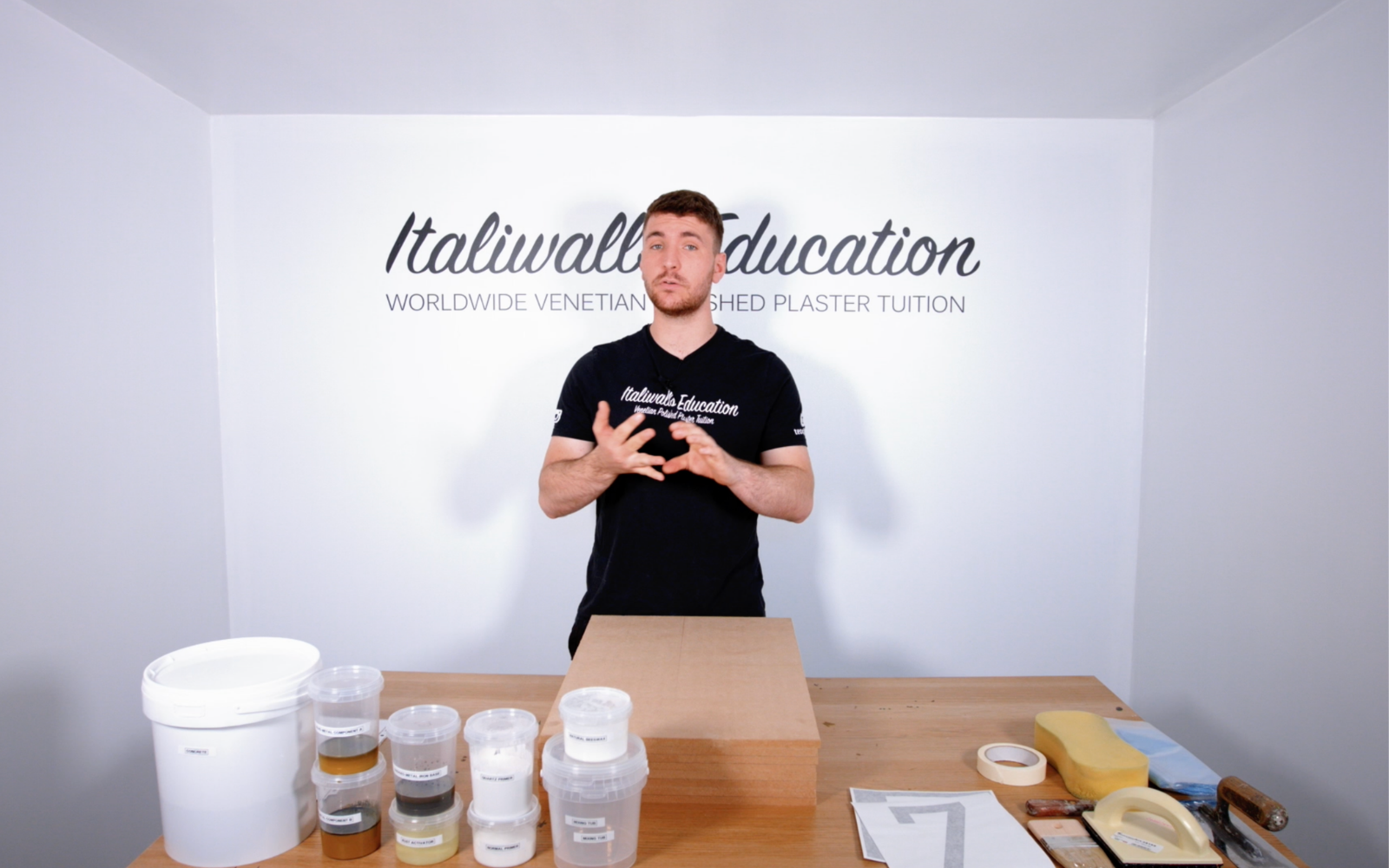
Where to start
It isn't a course on one finish. It's the trade: the theory, the preparation, 14+ finishes across Venetian plaster and surface design, and the business side that turns any of it into income.
Most people who struggle with Venetian plaster aren't struggling with the finish. They're struggling with what happened three coats earlier, or with the quote they never sent. Both are in here.
What's inside
Worked through in order, or dipped into when a job throws something at you. Lifetime access means it's a reference as much as a course.
01
Materials and how they behave, substrates, priming, base coats, and the conditions that decide whether a finish holds. The part nobody films and everybody skips.
02
Marmorino, grassello, high burnish and the classic lime finishes: application, timing, colour work and full-wall consistency.
03
The wider decorative range beyond traditional Venetian, textures, effects and modern surface work that clients ask for by picture rather than by name.
04
Pricing, quoting, finding clients and presenting your work. Included as standard, because a finish you can't sell isn't a trade.
Eight of the 14+ taught across the course.
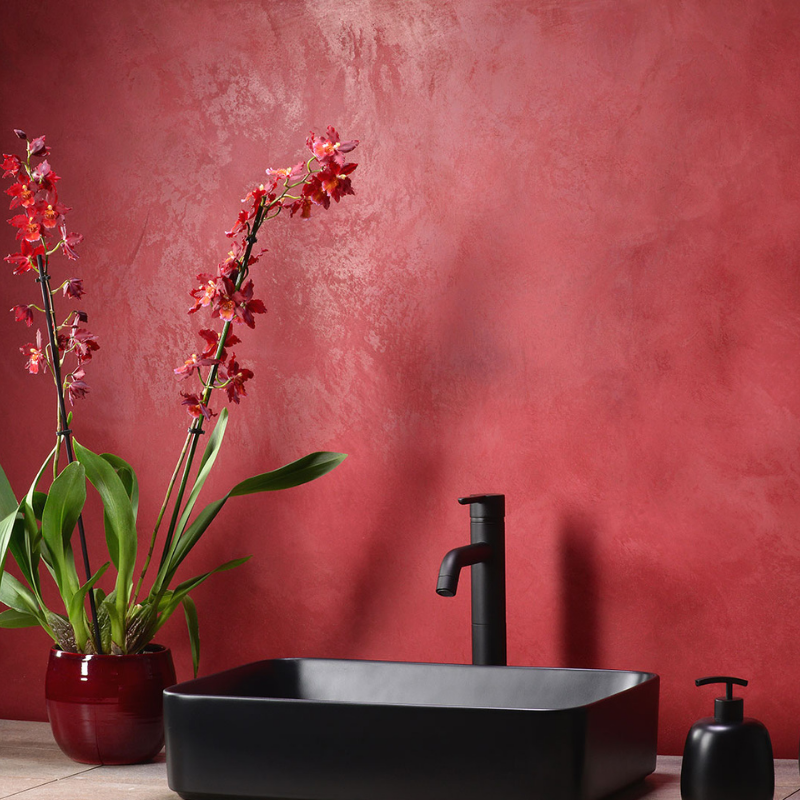
The classic lime finish. Depth and movement without a mirror polish.

Fine grain, high burnish. The polished finish most people mean by Venetian.
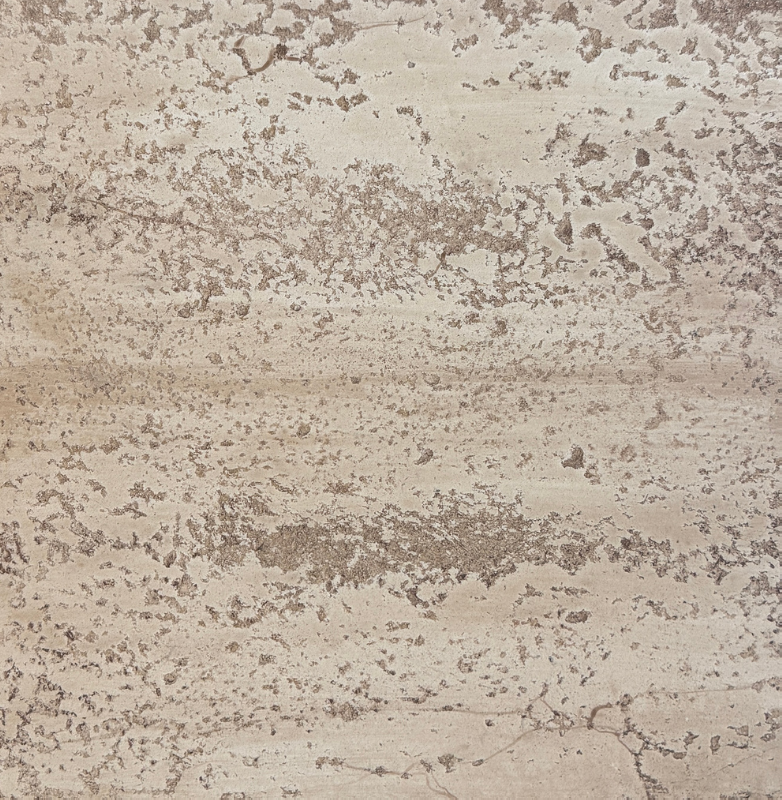
The banded character of travertine stone, without the slab.
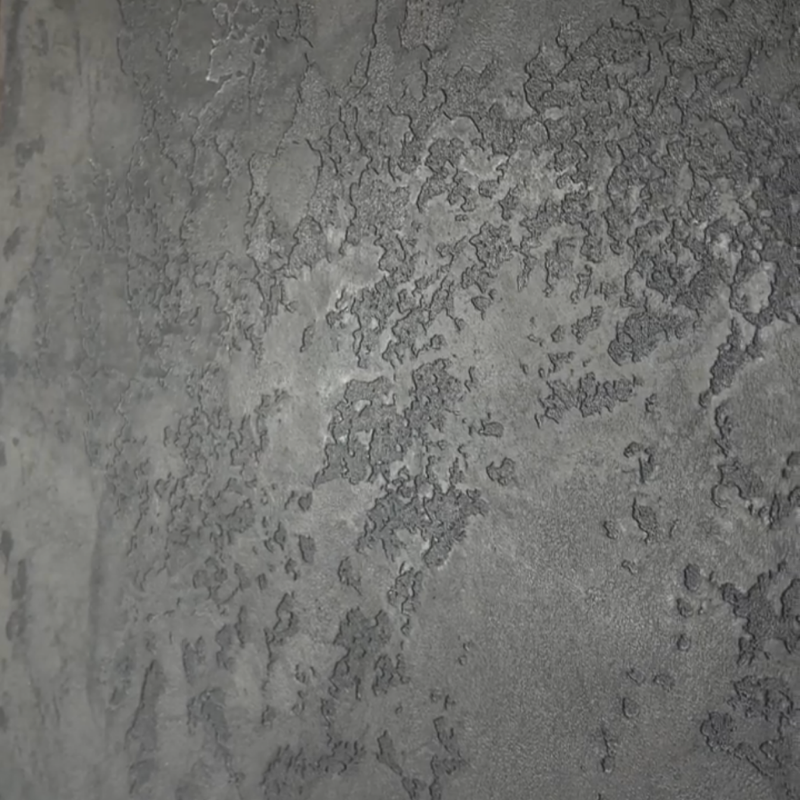
Heavy texture and relief. Fewer stages, and clients love the rawness.
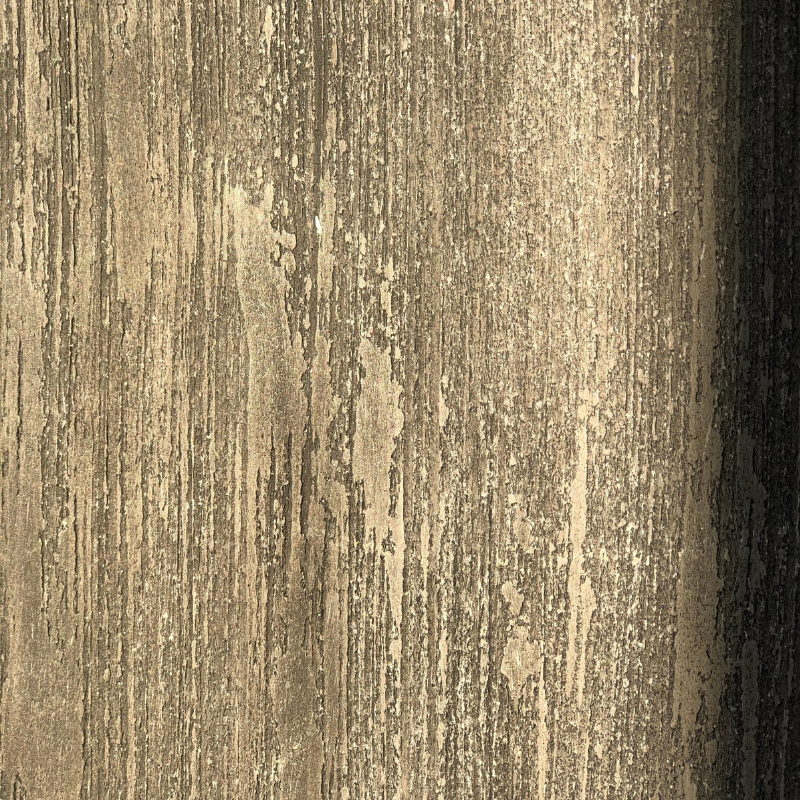
Directional movement pulled through the surface with the trowel.
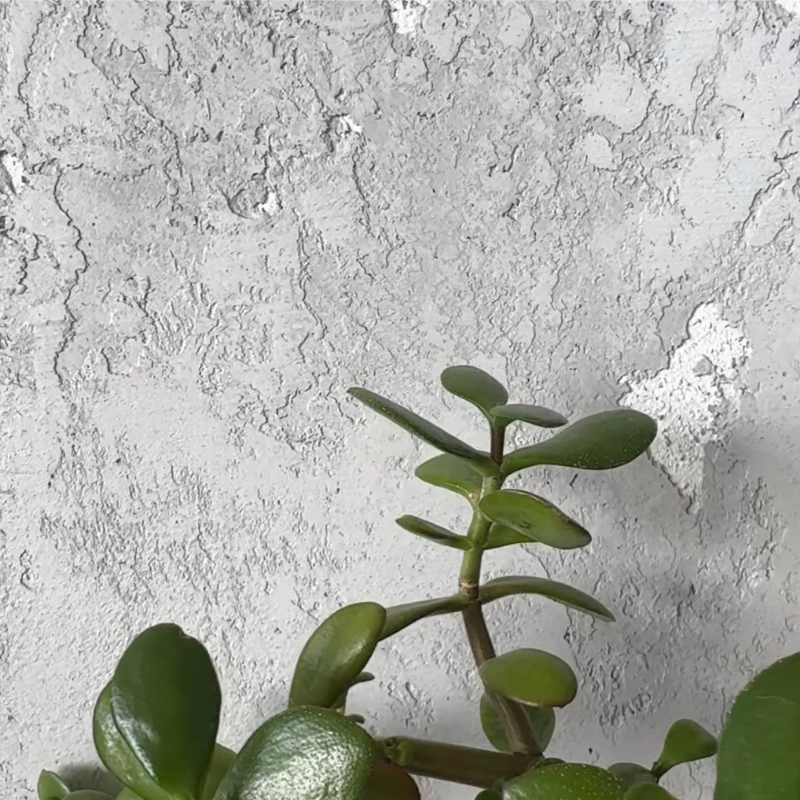
Raw concrete character in lime plaster. Seamless and minimal.

Reactive finishes that patina and age like real oxidised metal.
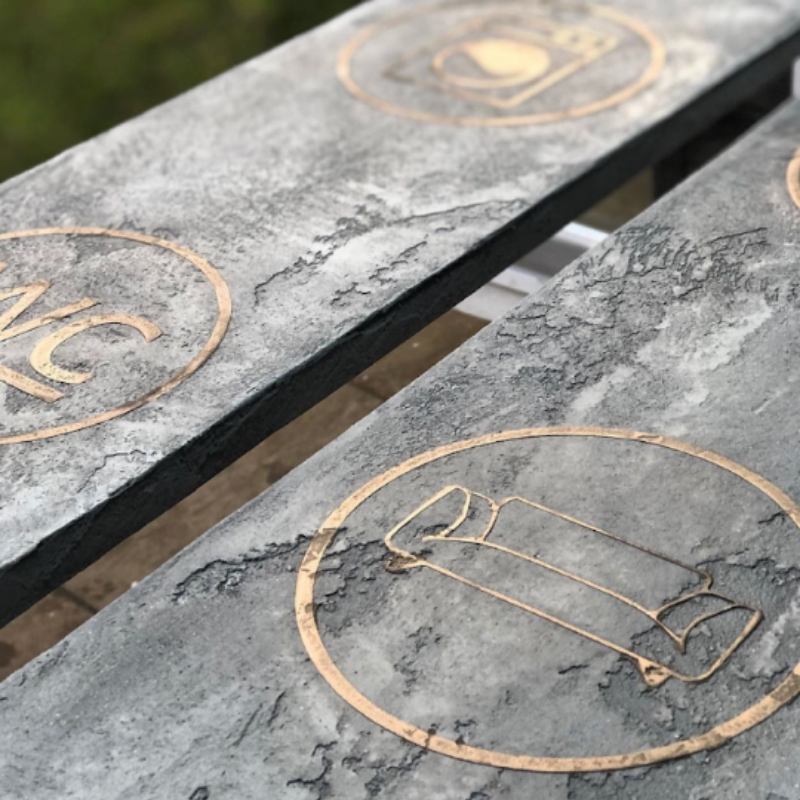
Real metal fused into the surface, burnished to bronze, gold or steel.
The whole job
Social media shows you the satisfying bit. This covers the whole sequence, because that's what a paying job actually consists of.
What you're working on and what it needs first. Get this wrong and nothing after it holds.
Quartz primer, base build-up, and why the flatness of this stage decides the finish you can get.
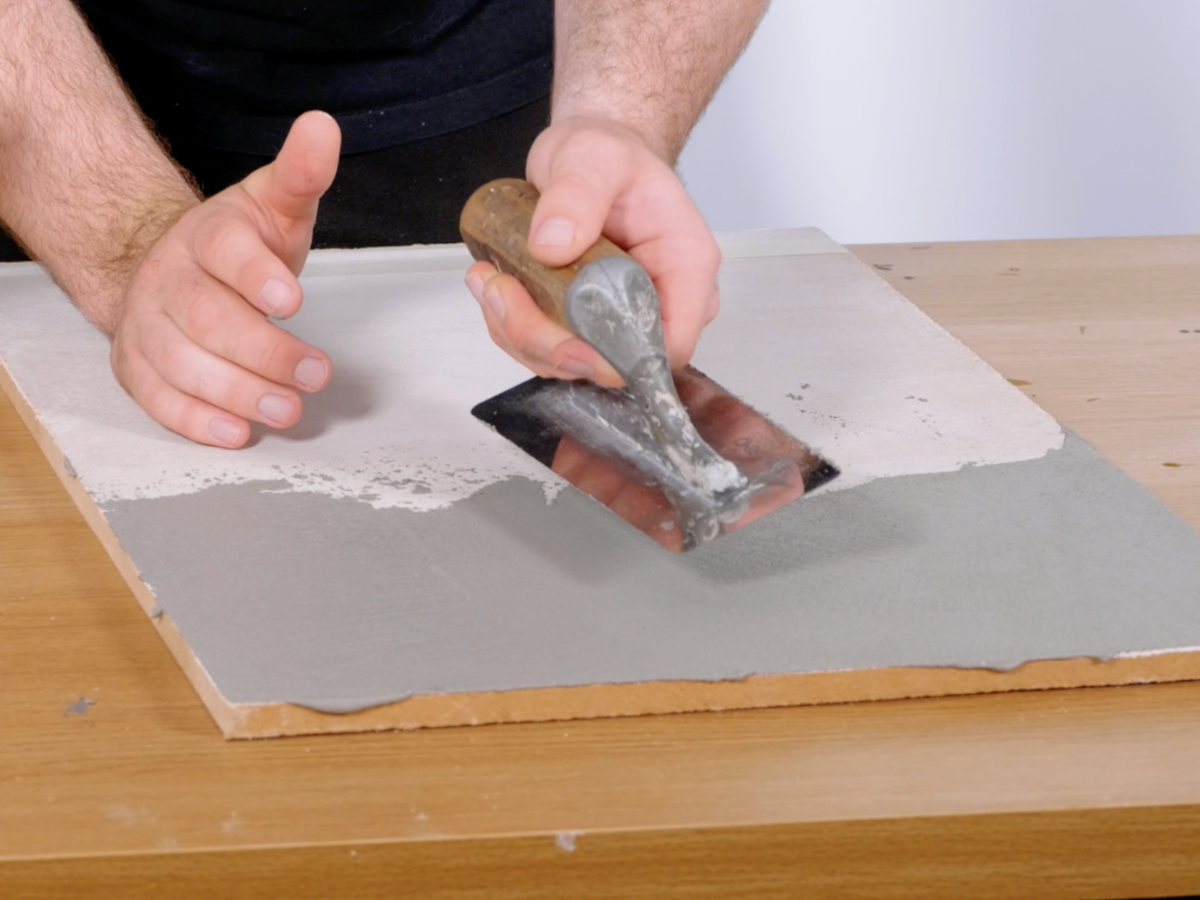
Loading the trowel, coat structure, angle and pressure, and working a full wall without visible joins.
Timing is everything here. Too early and it drags, too late and it won't take a shine.
Protecting the finish for the room it's in, including bathrooms and other wet areas.
Cracking, patchiness, colour inconsistency, blown areas. The module you'll come back to most.
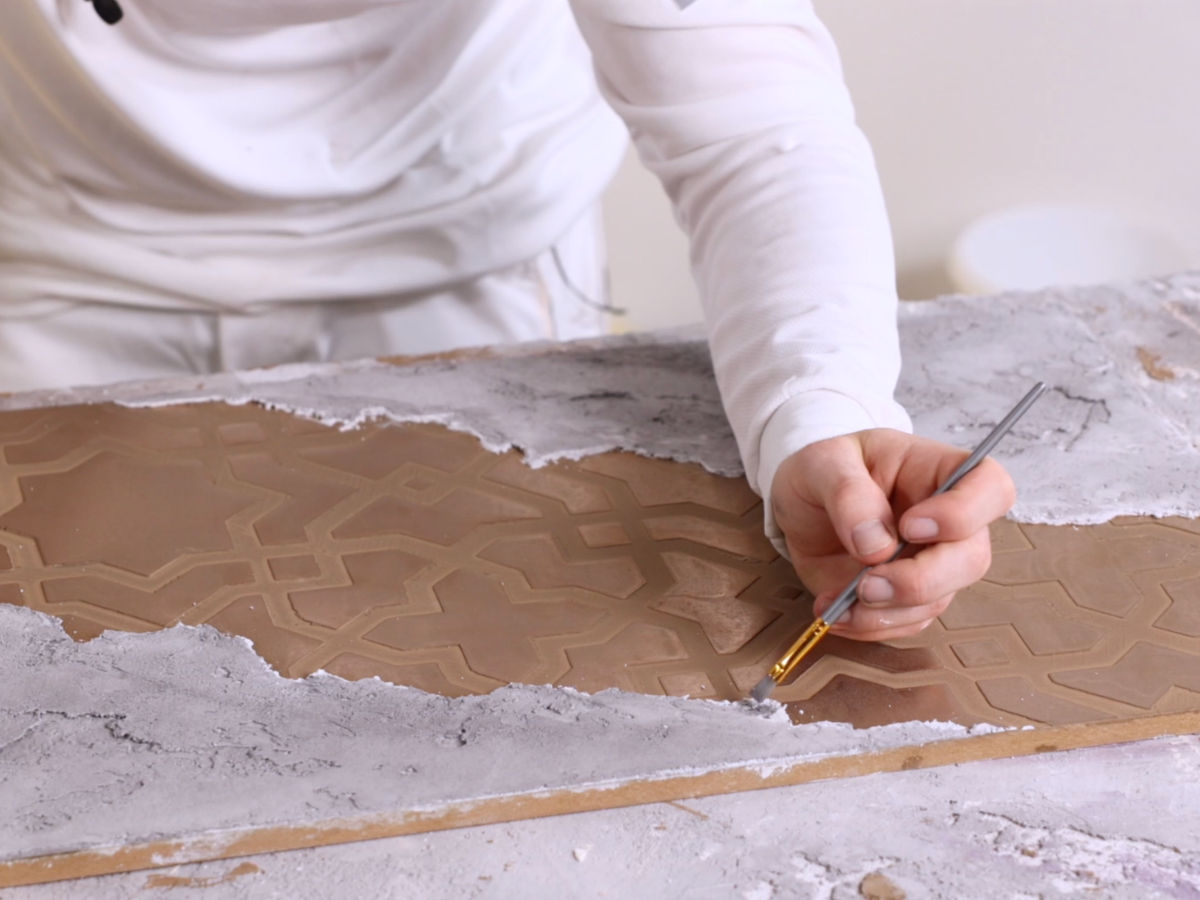
Included
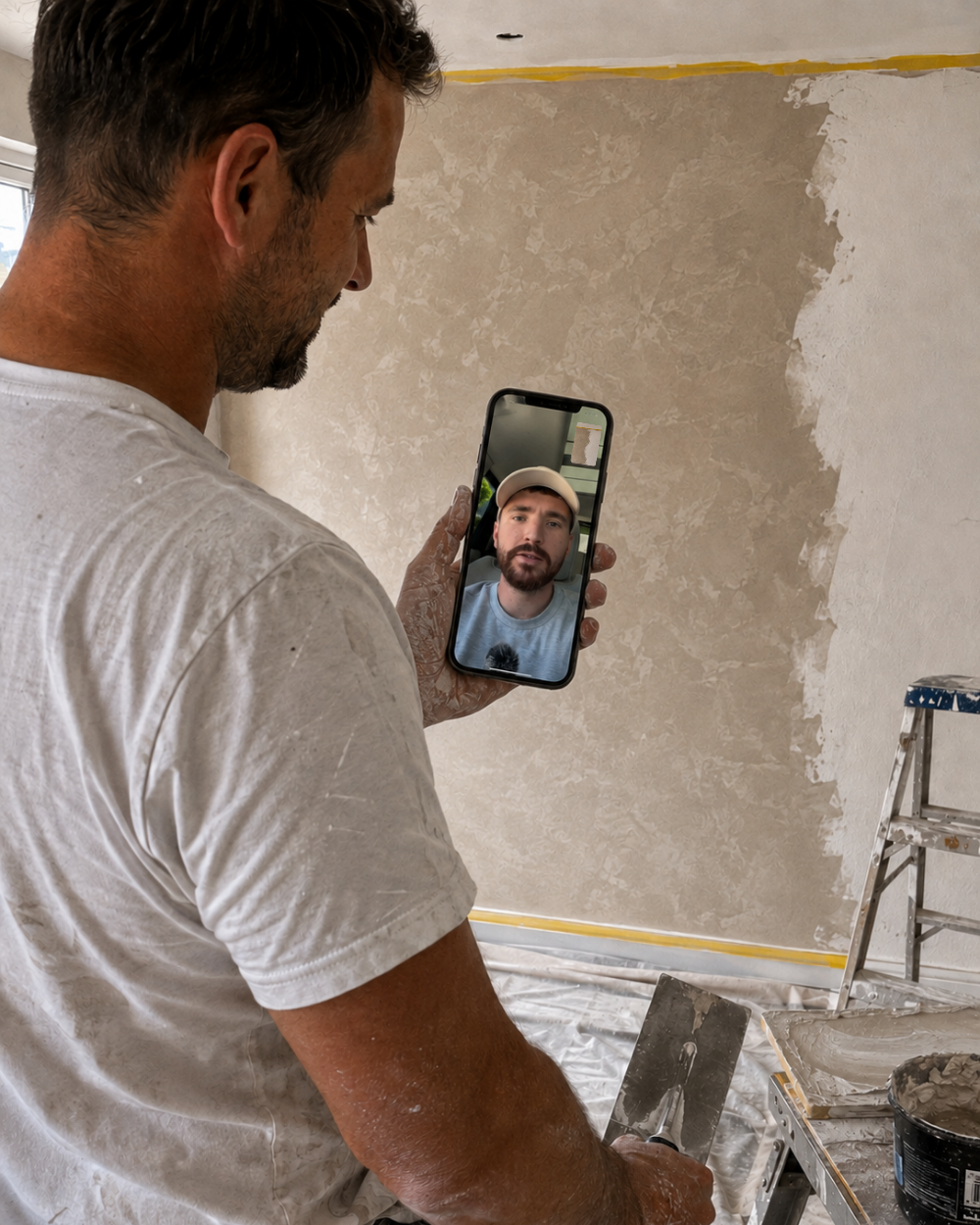
Every student on this course gets direct one-to-one mentoring from Tom. Not a ticket queue, not a moderator. The person who has been installing this commercially for years, looking at your actual wall.
It matters because the questions that stop people aren't the ones a video can answer. Why has this patch gone flat. Should I quote this job at all. The client wants it in a bathroom, is that a problem.
What comes with it
The course teaches the finish. The support is what gets you through the first job you've quoted and are now stood in front of.
Enrol
Compare it against a two-day taster that sends you home with one finish and nobody to ask afterwards. This is 90+ tutorials, 14+ finishes, the business side, and someone in your corner while you learn to sell it.
£997
One payment · lifetime access
14-day refund policy applies, full detail in our Terms of Use.
After this course
Most students do this first, then add a specialism or go all in on the business side once the finish is reliable.
Four marble finishes plus veining, high sand polishing and gold leaf. Seamless marble across walls, ceilings and pillars, the specialism that raises your rate.
View Marble MasterclassHands-on days with someone correcting your trowel angle as you work. Best done once you've practised and know what you're getting wrong.
View in-person trainingCommon questions
No. Venetian plaster is a different skill to flat plastering, a trade background helps with confidence and site sense, but it isn't what decides whether you'll be good at this. Plenty of students come from decorating, other trades, or from outside construction entirely.
Most people produce a saleable finish on practice walls within a few weeks of consistent effort, and take a small paid job, a feature wall, a fireplace, within two to three months. The variable is practice hours, not course length. People who board out a wall at home and repeat the process get there considerably faster than people who only watch.
The $27 class is an introduction, enough to see the process and decide whether the trade appeals. This is the full training: 90+ tutorials, 14+ finishes, the theory and preparation, business and marketing, and one-to-one mentoring. If you're unsure, start with the $27 class; it costs less than a bag of plaster to find out.
Over 90 video tutorials covering 14+ finishes, plus the theory, preparation and business modules. You don't have to work through it linearly, most people do the theory and core finishes first, then come back to specific finishes when a job calls for one. Lifetime access means it works as a reference, not just a course you finish once.
Yes, tools and materials aren't included in the course fee. The course lists exactly what to buy first and what to skip, which saves most people more than they expect, and enrolling gets you supplier access with trade discounts that usually cover a good part of a first order.
Yes, and most people do. It's self-paced with lifetime access, so there's no cohort to keep up with. The realistic constraint is finding practice time, not video time.
This one first. Marble effects build on trowel control, timing and reading a coat, all of which come from here. Doing marble first is possible but you'll spend the money twice over in wasted material learning the fundamentals the hard way.
Start here
The full trade, the tools to practise with, and someone to ask when a wall doesn't do what it did in the video.